 (630) 528-1955









Black Mold on Drywall: How to Identify, Remove, and Prevent It
Black mold on drywall poses more than just an aesthetic problem; it also presents significant health risks. It is a serious problem that can compromise the structural integrity of your walls and pose health risks to your family.
At Perfect Walls, we understand that identifying, removing, and preventing black mold is crucial for maintaining a safe and healthy environment.
Standard Mold vs. Black Mold: What’s the Difference?
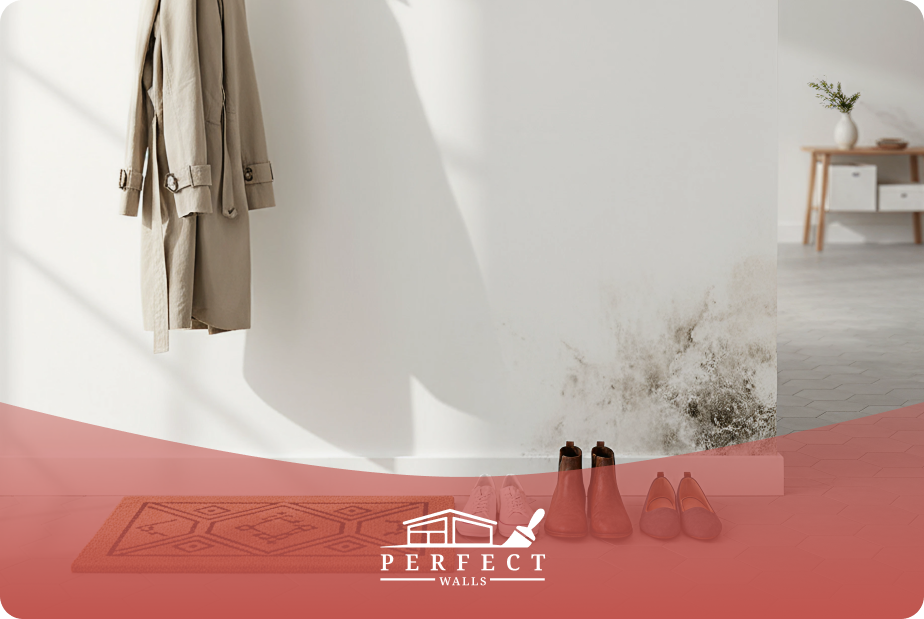
When people discover dark spots on drywall, they often immediately assume it’s “black mold.“ While black mold is certainly a possibility, not every mold that appears dark in color is toxic or particularly dangerous.
Understanding the difference between common household molds and toxic black mold helps homeowners respond appropriately without unnecessary panic.
What Is “Normal“ Mold?
“Normal“ mold refers to the numerous species that can develop indoors when moisture is present. These molds are not usually toxic, though they can still trigger allergies, asthma, and unpleasant odors. Common examples include:
- Cladosporium: Often green, brown, or black. This is one of the most common indoor molds, typically growing on wood, fabrics, and HVAC systems.
- Aspergillus: Appears in various colors, including yellow, white, and green. It can colonize walls, insulation, and even food. While some strains can be problematic, many are considered non-toxic.
- Alternaria: Usually dark green or brown with a fuzzy texture. It thrives in damp areas, such as showers, sinks, or window frames.
These molds are unpleasant and can aggravate respiratory issues, but are generally easier to clean and less destructive than Stachybotrys chartarum.
What Is Black Mold?
Black mold most commonly refers to Stachybotrys chartarum, a greenish-black mold that grows in consistently damp environments.
Unlike surface molds, black mold often penetrates building materials, such as drywall and wood framing, making it more difficult to remove. It thrives on cellulose-rich materials and typically requires a water problem that has persisted for more than 24–48 hours.
The key concern with black mold is its potential to produce mycotoxins. These are chemical byproducts that, when inhaled or ingested, can cause a range of health issues, from allergies and asthma flare-ups to more severe symptoms in sensitive individuals.
In severe cases, extensive contamination may require drywall repair Chicago specialists to replace affected sections and restore a safe living environment.
How to Identify Black Mold on Drywall
Identifying black mold early is crucial to preventing severe damage. Here are key signs to look out for:
1. Visible Discoloration
Black mold often appears as dark spots or streaks on walls. Unlike dirt or stains, mold tends to spread in irregular, patchy patterns. It may appear fuzzy or slimy, depending on the type of moisturizer, with a musty odor.
Even if you can’t see mold, a persistent musty or earthy smell is a strong indicator that mold is present behind the drywall. The odor may be more pungent in enclosed or poorly ventilated areas.
3. Water Damage Signs
Mold rarely appears without moisture. Check for water stains, bubbling, or warping on drywall surfaces. Leaks from plumbing, roofs, or condensation from windows can create the perfect environment for mold growth.
4. Health Symptoms
If you or your family members experience unexplained allergy-like symptoms, such as coughing, sneezing, watery eyes, or skin irritation, especially when indoors, mold exposure could be the culprit.
5. Moisture Testing
For a more precise assessment, you can use a moisture meter to check drywall. Moisture readings above 16% indicate a high risk for mold growth.
Common Causes of Black Mold on Drywall
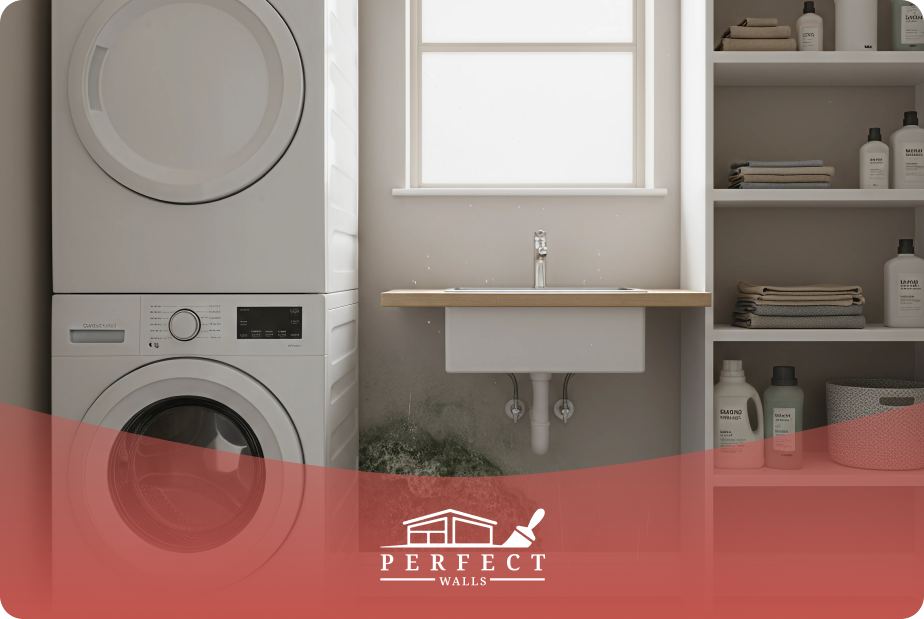
Understanding the root causes of black mold is essential for prevention. Some common contributors include:
- Leaky pipes or roofs: Water intrusion from plumbing issues or damaged roofs can saturate drywall, causing damage.
- High humidity: Bathrooms, kitchens, and basements often have elevated moisture levels that encourage mold growth.
- Poor ventilation: Areas with little air circulation trap moisture, creating a breeding ground for mold.
- Flooding: Homes that experience flooding are particularly susceptible to mold growth if water damage is not promptly addressed and remediated.
- Condensation: Temperature differences between inside and outside walls can cause condensation, which can penetrate drywall and fuel mold growth.
To effectively combat black mold on drywall, prompt removal with the help of drywall installation in Chicago is essential. It is recommended to wear protective gear, such as gloves, masks, and goggles, during the cleaning process to minimize health risks.
Health Risks of Black Mold
While not all molds are dangerous, black mold can release toxins and spores that affect your health. Individuals with asthma, allergies, or weakened immune systems are particularly vulnerable. Symptoms may include:
- Chronic coughing or sneezing.
- Nasal congestion or sinus infections.
- Skin rashes or irritation.
- Eye irritation or watery eyes.
- Fatigue and headaches.
- Respiratory infections in the cases.
Because of these risks, it’s essential not to ignore black mold, even if it seems minor.
In cases where black mold is extensive or persists despite cleaning efforts, it is highly advisable to seek professional remediation services.
Regular inspections and moisture control measures can significantly reduce the risk of mold recurrence, ensuring a healthier indoor environment.
DIY vs. Professional Mold Removal: A Critical Distinction
Dealing with black mold on drywall often raises a crucial question:
Should you tackle it yourself or hire professionals?
The answer depends on the size of the problem, the extent of damage, and the health risks involved.
While small, contained areas may be handled with safe SIY methods, larger or hidden infestations demand professional expertise.
For a homeowner, understanding how to remove black mold from ceilings safely is crucial for tackling minor issues. However, knowing where to draw this line between a DIY project and a major infestation can save you time, money, and protect your health.
When DIY Removal May Be Appropriate
- The affected area is smaller than 10 square feet.
- The source of moisture has been identified and fixed.
- Mold is only on the surface of the drywall, not deeply embedded.
- Household members are not at risk due to allergies or asthma.
When Professional Services Are Essential
- Mold covers more than 10 square feet.
- Mold has penetrated the drywall or spread behind the walls.
- There are signs of structural damage.
- Mold contamination involves HVAC systems.
- You detect a strong odor but no visible mold (suggesting hidden growth).
- Occupants already experience mold-related health symptoms.
Professionals adhere to industry standards, such as IICRC S520 (Professional Mold Remediation Standard), to ensure proper containment, removal, and prevention of recurrence.
Step-by-Step: DIY Mold Removal on Drywall
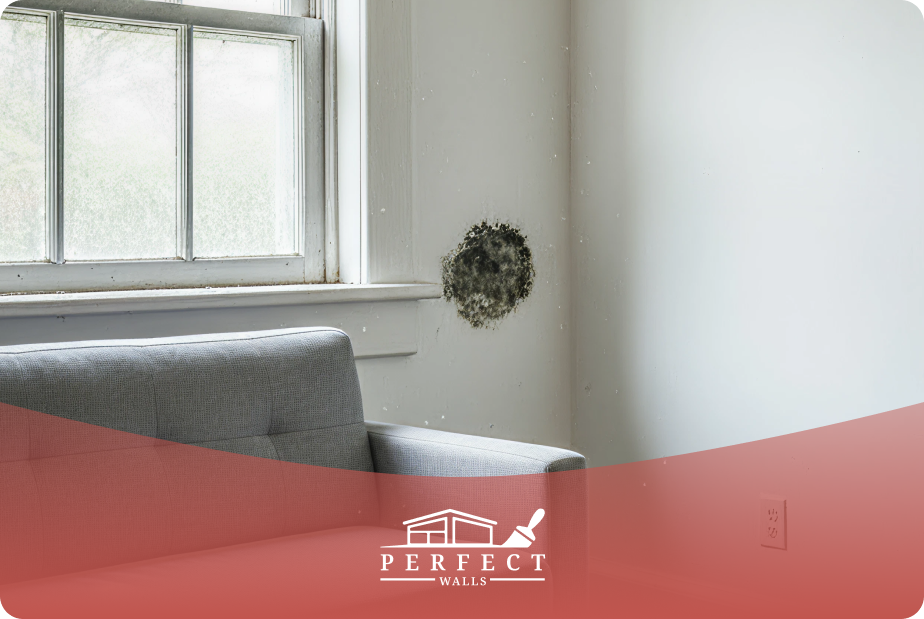
Dealing with how to remove black mold on drywall can be daunting, but with the right tools, safety measures, and a clear plan, you can effectively remove it and restore your walls to a clean, healthy slate.
Tools and Materials
- N95 respirator, gloves, goggles, and long sleeves.
- Plastic sheeting and duct tape for containment.
- Scrub brushes, sponges, and disposable rags.
- Spray bottles for cleaning solutions.
- Options: white vinegar, hydrogen peroxide, or bleach (1 cup per gallon of water).
- HEPA vacuum (preferred for cleanup).
- Dehumidifier or fans.
Procedure
- Isolate the Area: Seal doors, vents, and windows with plastic to contain spores.
- Protect Yourself: Always wear PPE to prevent inhalation or skin contact.
- Assess the Drywall: If the mold is surface-level, attempt to clean it. If drywall is soft, crumbling, or smells musty after cleaning, removal is necessary.
- Apply Cleaning Solution: Spray, let sit for 10–15 minutes, then scrub thoroughly.
- Dispose of Materials: Bag contaminated drywall or rags in heavy-duty bags.
- Dry Completely: Run dehumidifiers until moisture readings are safe (<15%).
- Inspect and Monitor: Watch for recurring spots over the next several weeks.
Never paint over mold as a “quick fix.“ Mold will continue to grow beneath the paint and eventually resurface.
Proper prevention strategies are crucial to avoid future mold growth. Ensuring adequate ventilation, controlling indoor humidity levels below 60%, and promptly repairing leaks can significantly reduce the risk of mold growth.
Regular inspections of vulnerable areas, especially after plumbing repairs or weather events, are recommended.
Additionally, installing dehumidifiers and exhaust fans in high-moisture zones can help maintain a dry environment, discouraging mold proliferation.
Taking these proactive measures will contribute to a healthier indoor environment and minimize the need for extensive remediation efforts.
Professional Mold Remediation: What to Expect
When hiring a professional mold remediation service, the process typically includes:
- Inspection and Assessment: Moisture mapping, air sampling, and wall testing.
- Containment: Use of negative air chambers and physical barriers to isolate the work area.
- Air Filtration: HEPA filters capture airborne mold spores during remediation.
- Removal: Mold-contaminated drywall, insulation, and materials are safely removed.
- Cleaning and Treatment: antimicrobial solutions to nearby surfaces.
- Drying and Dehumidification: Industrial drying equipment ensures moisture is eliminated.
- Verification: Some companies conduct post-remediation testing to ensure that safe conditions are maintained.
Afterwards, it is crucial to document the remediation process and maintain records for future reference and potential inspections.
Regularly scheduled inspections and humidity control can prevent mold recurrence, protecting the structural integrity of your walls.
Consulting with certified professionals ensures compliance with industry standards and promotes a healthier indoor environment.
Our team at Perfect Walls offers a full range of services, including:
Preventing Black Mold on Drywall
Implementing preventative actions not only preserves the integrity of the drywall but also promotes a healthier indoor environment.
Here is a list of things you can do to prevent mold from growing:
Control Humidity
- Keep indoor humidity between 50.3%.
- Use dehumidifiers in basements and crawl spaces.
- Install vent fans in bathrooms, kitchens, and laundry rooms.
Improve Ventilation
- Ensure air can circulate freely behind furniture and in closets.
- Open windows when the weather allows
- Maintain HVAC systems with clean filters.
Building Materials and Finishes
- Consider using mold-resistant drywall in bathrooms, basements, and laundry rooms, and apply antimicrobials and primers to high-risk walls.
Maintenance Practices
- Inspect roofs, gutters, and downspouts regularly.
- Address plumbing leaks immediately.
- Dry spills and water damage within 24 to 48 hours.
In short, proactive maintenance, proper ventilation, and the use of mold-resistant materials are essential strategies to prevent mold growth on drywall.
Regular inspections and prompt repairs of leaks and water damage further reduce the risk of mold development.
Adopting these practices can significantly contribute to maintaining a healthy and durable indoor environment.
Black Mold and Property Value
Black mold is not only a health concern but also a significant financial issue. Homes with unresolved mold problems:
- Often fail pre-sale inspections.
- May lose resale value.
- Can face insurance claim denials if neglect is proven.
Investing in remediation protects your property’s value and safeguards its occupants.
Regular maintenance and prompt responses to water intrusions are crucial in preventing mold growth on drywall. It’s a good idea to do routine inspections, especially in areas where moisture tends to accumulate, so that you can catch any early signs of mold.
Hiring licensed professionals for thorough assessments and repairs not only maintains high safety standards but also helps prevent mold from returning.
Taking these positive steps helps your property last longer and create a healthier, more comfortable indoor space.
Services That Can Help
Professional mold remediation services are the best choice for significant or recurring problems. These services not only remove mold but also repair drywall, restore air quality, and implement long-term prevention strategies to prevent future mold growth.
Choosing certified professionals ensures your home is treated according to industry best practices.
Need expert help?
Trust our services.
At Perfect Walls, our expert services are designed to identify, remove, and restore drywall affected by black mold. We don’t just treat the surface; we get to the source of the problem, protect your indoor air quality, and leave your walls looking as good as new.
Proactive Action is Key
Black mold on drywall is a serious but solvable issue. With early detection, proper moisture control, and safe remediation, you can protect your home and your family’s health.
Minor problems may be handled with DIY methods, but widespread or hidden mold growth requires the expertise of professional services.
The most important factor is prevention. By managing humidity, maintaining your home, and responding promptly to leaks or spills, you can prevent black mold from developing.
Addressing the problem today ensures a healthier, safer, and more valuable home for years to come.
Contact us today to schedule an inspection and take the first step toward a healthier, mold-free home.