 (630) 528-1955









How to Wash Walls Painted with Flat Paint: A Guide
Flat paint walls are common in many homes due to their smooth, matte finish that beautifully hides imperfections. While aesthetically pleasing, flat paint walls present a unique challenge when it comes to cleaning.
Unlike gloss or semi-gloss paints, flat paint is more porous and prone to staining, which means improper cleaning can leave marks, streaks, or even remove the paint. However, with the right approach, you can restore your walls to their original look without damage.
At Perfect Walls, we specialize in cleaning flat painted walls, which is why we’ve created this guide.
Understanding their characteristics, preparing for cleaning, choosing suitable solutions, following step-by-step techniques, and using preventative tips help keep your walls looking fresh longer.
In this article, we’ll walk you through all the information you need to learn how to clean flat-painted walls.
What Is Flat Paint?
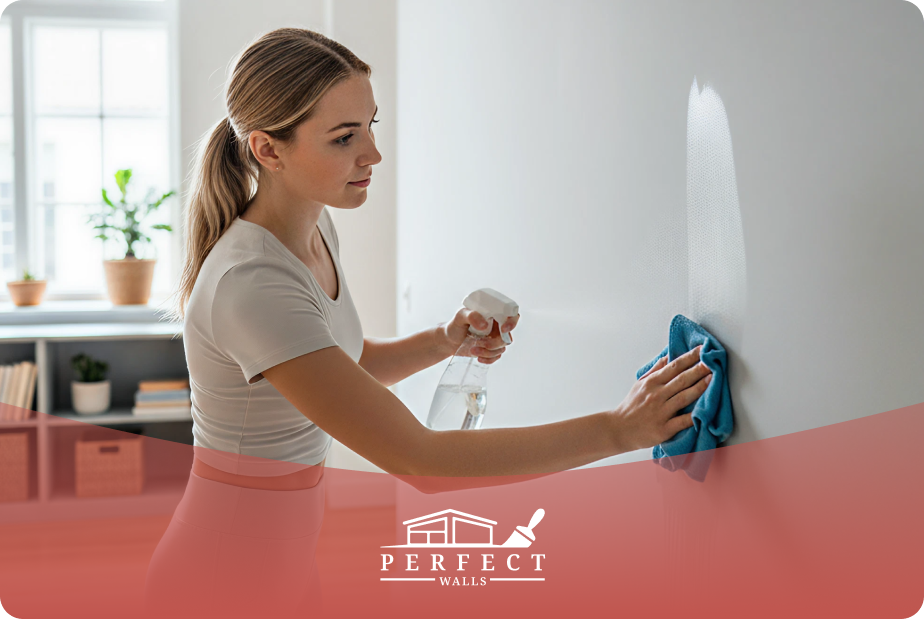
Before we discuss cleaning, it’s essential to understand precisely what flat paint is and why it is widely used in homes.
1. Definition
Flat paint, also known as matte paint, is a type of wall paint that has no sheen or gloss.
Unlike glossy paints that reflect light, flat paint absorbs it, resulting in a soft, non-reflective look. This quality gives rooms painted with flat paint a calm, cozy, and smooth atmosphere.
2. Composition
Flat paint contains more pigments and fewer binders than glossier paints. Pigments provide paint with its color and opacity, while binders hold the pigment particles together.
The high pigment in flat paint effectively conceals wall imperfections, such as dents, cracks, and uneven textures, better than glossier paints.
3. Advantages of Flat Paint
- Hides imperfections: Ideal for older walls or surfaces that are not perfectly smooth.
- Graceful and soft appearance: Provides a warm ambiance in living spaces.
- Simple application: Flat paint is easy to apply evenly, making touch-ups straightforward.
4. Disadvantages of Flat Paint
- Less durable: Flat paint is prone to stains, scuffs, and damage.
- More difficult to clean: It’s porous and non-reflective, and can lead to marks or streaks from aggressive cleaning.
- Not ideal for high-moisture areas: In bathrooms or kitchens, flat paint can absorb water and develop stains or mold more easily than semi-gloss or satin finishes.
Understanding what flat paint is helps homeowners set the right expectations for cleaning and maintenance. While it requires gentle care, its aesthetic and imperfection-hiding qualities make it a popular choice.
Understanding Flat Paint and Its Characteristics

Building on the characteristics of flat paint, here’s why knowing how to clean matte paint walls properly is essential to preserving their smooth, soft finish.
1. Matte Finish
Due to its matte finish, flat paint reflects very little light, giving walls a soft, uniform look. However, this also means that fingerprints, scuff marks, and dirt are more noticeable.
Fierce scrubbing can leave shiny patches, so it’s crucial to know how to clean flat paint walls gently and responsibly.
2. Porous Surface
Flat paints are more porous than gloss paints, allowing liquids and oils to penetrate the surface more easily.
This makes stains more difficult to remove, as water and cleaning solutions can soak in rather than just lifting dirt. Lightly dampened sponges or cloths are recommended to avoid over-saturating the paint.
3. Hides Imperfections
Flat paint’s light-absorbing quality conceals wall flaws. While this is an aesthetic advantage, improper cleaning can remove paint unevenly, revealing imperfections that were previously hidden. This is why a delicate approach is necessary for cleaning.
Common Stains and Marks on Flat Paint Walls
Flat painted walls can accumulate various stains and marks depending on the area of the home and usage. These can include dust and dirt, fingerprints and smudges, crayon, marker, or pencil marks, grease and food splashes, and water stains or mold.
Recognizing the type of mark helps determine the most effective cleaning approach.
1. Dust and Dirt
Dust and dirt naturally accumulate over time, particularly near vents, windows, baseboards, and corners.
Regular dusting is a proactive measure that prevents buildup and keeps the wall looking fresh, giving homeowners a sense of control over their home’s cleanliness.
2. Fingerprints and Smudges
High-traffic areas such as door frames, hallways, and areas around light switches often show fingerprints.
Oils from human skin can embed in the paint, especially on flat surfaces, leaving dark smudges. These marks can become permanent if not handled quickly, so it’s essential to clean them as soon as possible.
3. Crayon, Marker, or Pencil Marks
If you have children at home, walls may occasionally have crayon or marker scribbles on them. These can penetrate the porous surface of flat paint.
Using harsh chemicals or rough scrubbing may remove the mark, but can also damage the paint.
Choosing the proper gentle technique is critical for successful stain removal.
In some cases, repeated stains or scrubbing can cause damage that requires professional Chicago drywall repair services to restore the wall’s smooth surface.
4. Grease and Food Splashes
Walls near kitchens or dining areas are prone to grease and food splatters. Grease binds to paint and becomes sticky over time. Grease binds to paint and becomes sticky over time.
Up to 62.1% of kitchen wall paint damage is caused by accumulated grease and cooking oils that are not adequately cleaned.
Cleaning these stains too aggressively can remove paint or leave streaks, so a combination of mild soap or vinegar-based solutions is usually best.
5. Water Stains or Mold
Moisture can lead to water stains or mold growth, particularly in bathrooms or poorly ventilated areas.
Mold is not only unsightly but can be a health hazard. For example, exposure to mold spores can trigger respiratory problems like asthma attacks, coughing, and throat irritation, especially in young children and people with weakened immune systems.
It requires gentle cleaning with appropriate mold-removal solutions, followed by proper drying to prevent regrowth.
Preparing to Clean Flat Paint Walls
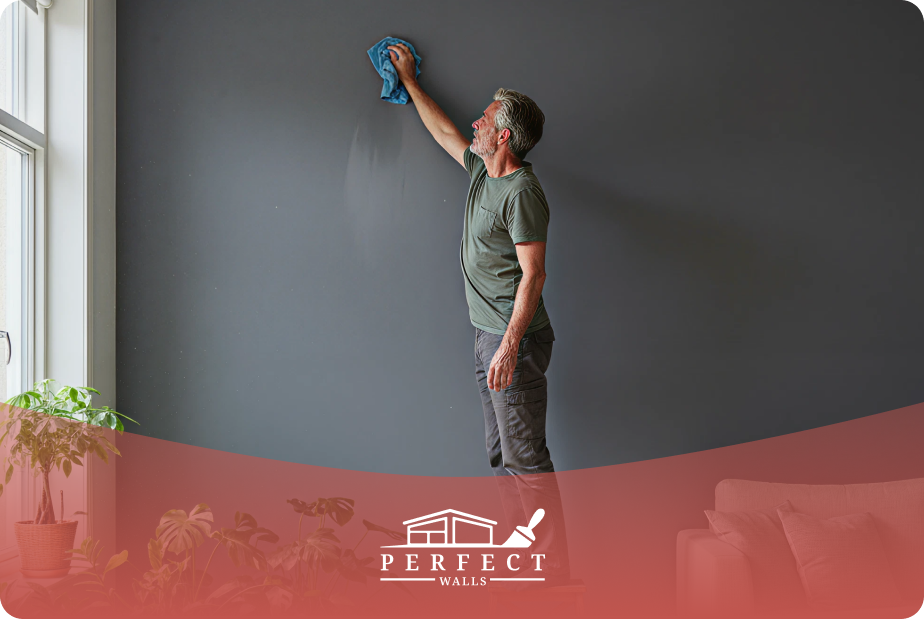
Proper preparation is crucial to prevent mistakes and safeguard your walls.
1. Gather Your Supplies
Having the right cleaning tools makes the process safer and more efficient. Recommended supplies include:
- Soft sponges or microfiber cloths: Non-abrasive and gentle for cleaning
- Bucket: To mix cleaning solutions
- Mild dish soap or wall cleaner: Safe for most flat paints
- Warm water: For gentle cleaning
- Baking soda (optional): Useful for stubborn marks
- White vinegar (optional): Helps cut grease naturally
- Magic eraser (optional): Effective on tough stains but slightly abrasive
- Towels for drying: To prevent streaks and moisture damage
Having everything ready beforehand ensures you won’t need to interrupt the cleaning process, reducing the risk of accidents.
2. Test Cleaning Solutions
Because flat paint is delicate, always test your cleaning solution on a small, hidden area first. This ensures that there will be no discoloration, peeling, or change in sheen.
Testing also gives you confidence to use the solution safely on more visible areas, and it’s a crucial step to prevent potential damage to your walls.
3. Protect Surrounding Areas
To prevent damage to floors, furniture, and trim:
- Lay down towels or plastic sheets
- Remove pictures, wall hangings, and decorations
- Consider masking trim edges if using liquid solutions
How to Clean Flat Walls Paint: Step-by-Step Guide
Cleaning flat paint walls requires gentle, methodical techniques to maintain the finish.
Here is the trick to cleaning your flat paint walls.
1. Dry Dusting
Start by removing loose dirt and dust:
- Use a microfiber cloth, duster, or vacuum with a soft brush attachment.
- Start from the top of the wall and move downward to prevent dust from falling on cleaned areas.
- Dusting prevents dirt from turning into mud when wet cleaning solutions are applied.
2. Spot Cleaning
For small stains:
- Mix a mild solution of warm water and dish soap (around one teaspoon of soap per bucket of water)
- Dip a sponge into the solution and wring it out to remove excess water.
- Gently dab or rub the stained area in a circular motion.
- Rinse with clean water and dry with a soft towel.
Spot cleaning is ideal for fingerprints, light smudges, or minor stains. Always use as little water as possible to avoid soaking the paint.
3. Cleaning Larger Areas
When a larger section of the wall needs cleaning:
- Fill a bucket with warm water and add mild soap
- Use a soft sponge or cloth, wringing out as much water as possible
- Clean walls in small sections, starting from the bottom and moving up to prevent streaks
- Rinse each section with clean water and dry immediately with a towel
This method ensures even cleaning while avoiding over-saturating the paint.
Keeping the sponge or cloth damp, rather than soaking wet, reduces the risk of paint by up to 76.3%, preserving the wall’s finish for longer.
4. Tackling Grease or Tough Stains
For stubborn stains such as grease or fingerprints:
- Baking soda paste: Combine baking soda with water to form a paste. Apply gently with a cloth and wipe immediately
- Vinegar solution: Blend one cup of white vinegar with a gallon of warm water. Test a small area first. Vinegar can cut through grease naturally without harsh chemicals
These methods are effective and safe for most flat paint surfaces.
5. Dealing with Mold
If mold appears on your walls:
- Mix equal parts vinegar and water in a spray bottle
- Spray lightly on the room and let it sit for 10–15 minutes
- Wipe gently with a microfiber cloth
- Ensure the wall dries completely to prevent mold regrowth
Mold cleaning should always be followed by proper ventilation to prevent recurrence.
Common Mistakes to Avoid
When cleaning flat paint walls, avoid these mistakes:
- Using harsh chemicals or abrasive tools can remove paint or leave streaks
- Excessive water can soak into the wall, causing damage or peeling
- Scrubbing too hard: Even soft sponges can dull a matte finish
- Skipping patch tests: Can lead to unwanted discoloration
- Ignoring regular maintenance: Dirt becomes harder to remove if left for too long
Knowing these common pitfalls helps you clean smarter and safer every time.
Preventative Measures for Cleaner Walls
Keeping your walls clean for longer reduces the frequency and intensity of cleaning.
1. Regular Dusting
Dust weekly or biweekly, especially in high-traffic areas and near vents.
2. Avoiding Excess Moisture
Make sure to use exhaust fans in bathrooms and kitchens, and use a dehumidifier if you live in a humid area.
3. Using Washable Flat Paint
Washable flat paints are formulated to resist stains while maintaining a matte finish.
These types of paint are ideal for homes with children or areas with heavy traffic.
4. Hand and Object Hygiene
Avoid touching walls with dirty hands, and minimize leaning furniture or objects against them.
5. Spot Cleaning Immediately
Handle stains as soon as they appear to prevent them from setting into the paint.
Alternatives for Severely Stained Walls
Sometimes, cleaning is not enough:
- Repainting: A fresh coat of paint may be easier than scrubbing repeatedly. Use primer for dark stains
- Touch-Up Paint: Keep leftover paint for minor fixes
- Wall Panels or Artwork: Strategically covering areas can reduce cleaning needs
Our Services for Severely Stained Walls
When stains are too stubborn, relying on professionals can save time and ensure a flawless finish. Perfect Wall offers comprehensive solutions for homeowners looking to restore or upgrade their walls.
- Interior house painters: Expertly repaint walls, ceilings, and accent features for a smooth, polished look.
- Exterior house painters: Protect and enhance your home’s exterior with durable, high-quality finishes.
- House painting and design: Combine professional painting skills with thoughtful design to transform your space.
With these services, even severely stained or damaged walls can be refreshed efficiently and beautifully.
Maintaining the Beauty of Your Flat Painted Walls
Cleaning flat paint walls requires patience, gentleness, and proper techniques.
Flat paint may be delicate, but its soft, elegant finish makes the extra care worthwhile.
Regular maintenance, timely spot cleaning, and preventive strategies are key to keeping your flat paint walls looking pristine.
If you’re looking for professional guidance or expert cleaning and painting services, we are here to help.
Contact us today to schedule a consultation or learn more about our services!