 (630) 528-1955









How to Get Rid of Mold in Bathroom Ceilings: A Complete Guide
If you’re dealing with mold and wondering how to get of mold in bathroom ceilings, that dark patch on your ceiling isn’t just unsightly. It could also pose health risks. Bathrooms are particularly prone to mold because high humidity, poor ventilation, and occasional leaks create the perfect conditions for it to grow.
At Perfect Walls, we know how important it is to keep your bathroom clean and mold-free.
In this guide, we’ll show you safe and effective steps to remove mold from your bathroom ceiling.
From spotting the problem early to preventing it from coming back, you’ll have everything you need to maintain a healthy, fresh space.
Why Mold Grows on Bathroom Ceilings
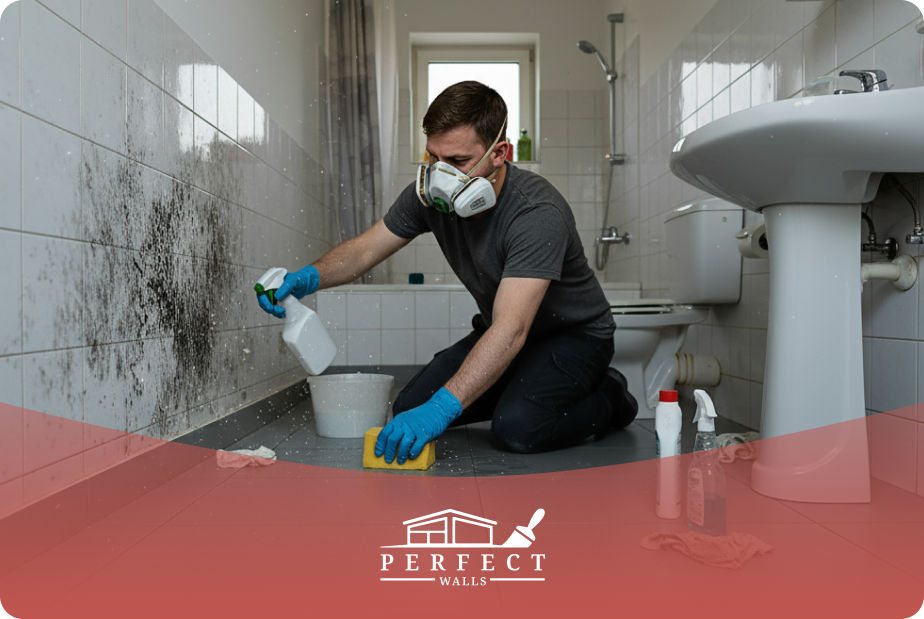
Before exploring mold removal methods, it’s essential to understand why mold flourishes in specific areas.
Bathrooms, especially ceilings, are often exposed to constant moisture. Factors that contribute to mold growth include:
- High humidity levels: Steamy showers and baths create condensation on walls and ceilings.
- Poor ventilation: Without exhaust fans or open windows, moisture lingers longer, encouraging mold growth.
- Leaks: Roof leaks, plumbing issues, or even condensation from pipes can create wet spots ideal for mold.
- Organic materials: Mold feeds on materials such as drywall, plaster, and paint, which are commonly found in bathroom ceilings.
Recognizing these factors is the first step in understanding how to get rid of mold in bathroom ceilings effectively.
Identifying Mold on Your Bathroom Ceiling
Not all discoloration or spots indicate mold, but there are some tell-tale signs:
- Color Modifications: Mold can appear in various colors, including black, green, brown, or even white, depending on the species.
- Musty Odor: A persistent, damp smell is often a sign of hidden mold growth.
- Peeling Paint or Bubbling: Moisture can cause paint to bubble or peel, often accompanied by the growth of mold.
- Spreading Stains: Mold tends to spread over time, so small spots may quickly grow if untreated.
Correctly identifying mold is essential because it helps determine the cleaning method and prevents unnecessary damage to your ceiling materials.
Safety Precautions Before Removing Mold
When learning how to remove mold from the bathroom ceiling, safety should always be the top priority. In most cases, it’s best to consult professionals offering drywall services in the Chicago area to repair and replace affected areas safely.
Mold spores can irritate the lungs, skin, and eyes, particularly in individuals with allergies or respiratory conditions.
Follow these precautions:
- Wear protective gear: Gloves, goggles, and an N95 mask are highly recommended.
- Ventilate the area: Open windows and doors to allow for fresh air circulation.
- Seal the room: Close doors to prevent mold spores from spreading to other parts of your home.
- Use drop cloths: Cover the floor and any furniture to protect from drips and debris.
By taking these steps, you can be assured of a safer cleaning process and minimize the risk of mold spreading further, giving you peace of mind.
Once you have taken the necessary safety precautions, the next step is to prepare your cleaning solutions.
How to Get Rid of Mold in Bathroom Ceilings for Good
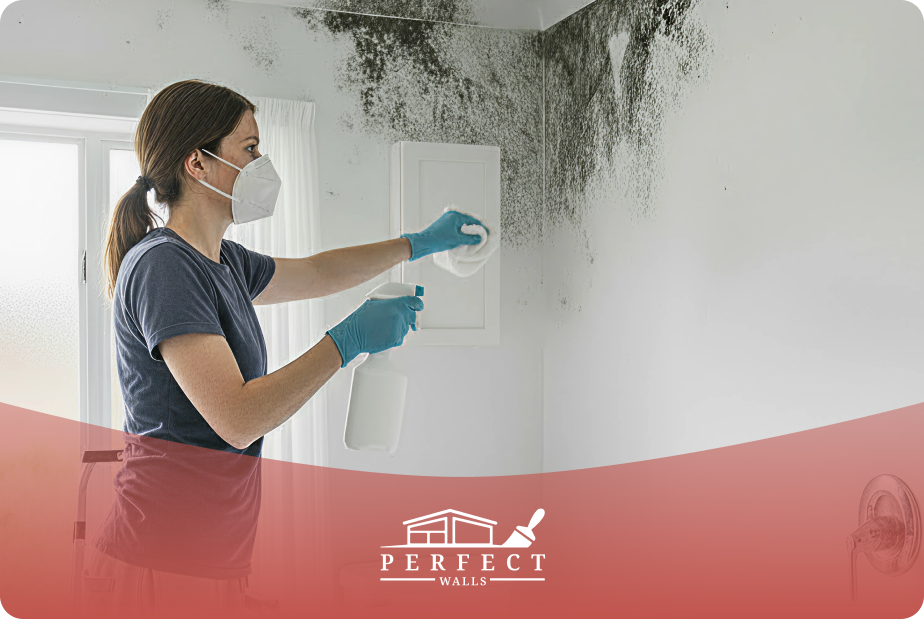
If you’re dealing with persistent mold, learning how to remove mold from drywall is key to keeping your bathroom ceilings clean, safe, and mold-free for good.
1. Gather Cleaning Supplies
To remove mold effectively, you’ll need the right tools. Here’s a typical list:
- Baking soda,
- Water,
- Spray bottles,
- Scrub brushes or sponges,
- Ladder or step stool (for high ceilings),
- Protective gloves, goggles, and an N95 mask,
- White vinegar or a commercial mold cleaner.
Household goods like baking soda and vinegar can be a safe and eco-friendly way to tackle mold, but they are only effective for small spots of mold that are new and just starting to grow.
2. Apply Vinegar or Mold Cleaner
Vinegar is an antifungal agent that can kill up to 82% of mold species. Here’s how to use it:
- Pour white vinegar into a spray bottle without diluting it.
- Spray the area thoroughly.
- Let it sit for one hour to allow the vinegar to penetrate and kill mold spores.
For stubborn mold, consider using a commercial mold cleaner that contains fungicides designed explicitly for bathrooms. Always follow the manufacturer’s instructions to ensure safety and effectiveness.
3. Scrub the Moldy Area
After letting the cleaning solution sit, it’s time to scrub the ceiling:
- Use a soft scrub sponge or brush to gently remove the mold.
- Avoid excessive scrubbing, which can damage the ceiling paint or plaster.
- Rinse the area with clean water and a damp cloth to remove residue.
If the mold persists, repeat the process until the ceiling is clean. Persistence is key when learning how to remove mold from the bathroom ceiling, especially when dealing with black mold on drywall, which can be more stubborn and hazardous.
4. Use Baking Soda for Stubborn Spots
For areas that resist vinegar, baking soda can help:
- Add two tablespoons of baking soda to two cups of water in a spray bottle.
- Shake well and spray on the moldy spots.
- Scrub lightly with a sponge or brush.
- Clean the area with a cloth to remove leftover residue.
Baking soda not only kills mold but also absorbs excess moisture, which helps prevent future growth.
5. Dry the Ceiling Thoroughly
After cleaning, the most critical step is drying the ceiling completely:
- Use fans, dehumidifiers, or open windows to circulate air.
- Any Moisture left behind can cause mold to return quickly.
- Check for hidden damp spots behind light fixtures or crown molding.
Proper drying is a crucial step in any strategy for removing mold from the bathroom ceiling.
Once the ceiling is thoroughly dried, inspect the surface for any remaining mold or damage. If the mold persists or has penetrated deeply into the material, calling a professional is the best course of action.
Additionally, consider applying a mold-resistant primer or paint to the cleaned area to inhibit future mold growth.
How to Get Rid of Mold in Bathroom Ceilings: Tips to Prevent It from Returning
Once the mold is gone, the next step is prevention. If the root of the mold is not addressed, it is likely to return.
Some preventive measures include:
- Improve Ventilation: Install or upgrade an exhaust fan to reduce humidity levels.
- Use Mold-Resistant Paint: Applying mold-resistant paint on ceilings can help prevent future growth.
- Control Moisture: Fix leaks as soon as you notice them and consider using a dehumidifier in humid climates.
- Regular Cleaning: Wipe down ceilings and walls periodically, especially after showers.
- Keep Bathroom Doors Open: Allow airflow to reduce moisture buildup.
Including these habits in your routine is the best long-term solution for keeping your bathroom ceiling mold-free.
Regular maintenance, such as ensuring proper ventilation and controlling humidity levels, is pivotal to preventing mold from returning.
As a result, implementing these preventive measures significantly reduces the chances of mold regrowth, ensuring a healthier bathroom environment.
Regularly taking care of your eyes and monitoring their condition is crucial for preventing recurring conditions from returning. By ensuring your home is well-ventilated and tidy, you’ll create a safe, healthy space that you’re proud of.
When to Call a Professional
Sometimes, mold infestations are too extensive to be handled with DIY solutions.
Contact a professional if:
- Mold covers more than 10 square feet of your ceiling.
- The ceiling reveals signs of water damage or structural issues.
- You or your family members experience allergic reactions or respiratory issues due to mold exposure.
- DIY methods fail to remove mold effectively.
Professional mold specialists have the tools and expertise to handle severe infestations safely, ensuring the problem is resolved without further damage.
Professional Help: Perfect Walls Mold Removal Services
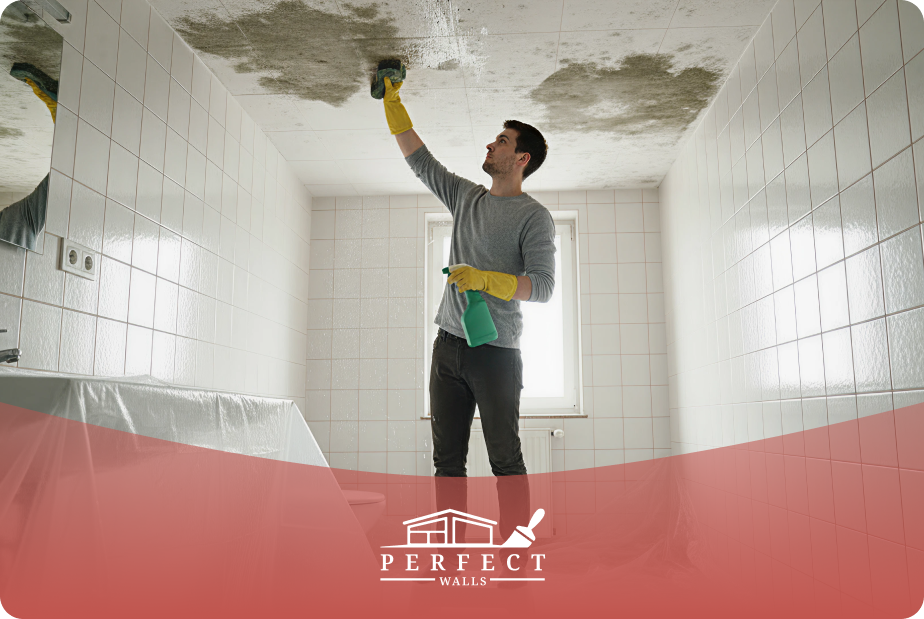
While DIY methods are helpful for small areas, larger or recurring mold issues often require expert intervention. This is where we can help.
Specializing in mold inspection, removal, and long-term prevention, Perfect Walls provides comprehensive solutions for homeowners struggling with stubborn ceiling mold.
Our team of skilled interior house painters and exterior house painters not only tackles mold removal but also enhances your home through professional house painting and design.
We combine functionality with aesthetic appeal to keep your home safe and healthy.
Their services include:
- Mold Inspection & Testing: Identifying the type of mold and the extent of contamination.
- Professional Mold Removal: Using industry-grade treatments to eliminate mold at its root.
- Moisture & Leak Detection: Finding hidden leaks or humidity sources that contribute to ceiling mold.
- Preventive Treatments: Applying protective coatings and mold-resistant paints to keep ceilings mold-free.
- Ceiling Repair & Restoration: Fixing damage caused by mold, including repainting or resurfacing.
If you’ve tried multiple home remedies but mold keeps returning, hiring us makes sure that the issue is addressed thoroughly and safely. We not only clean the mold but also address the underlying causes, preventing costly repairs in the future.
Additional Tips for a Healthy Bathroom
Maintaining a mold-free bathroom ceiling goes beyond cleaning. Consider these additional tips:
- Shower Squeegee: Using a squeegee on walls and glass surfaces reduces moisture.
- Shower Curtains: Wash or replace shower curtains regularly to prevent mold buildup.
- Bathroom Mats: Dry mats frequently and avoid leaving wet towels on the floor.
- Humidity Monitoring: Use a hygrometer to track indoor humidity levels, aiming for levels below 50%.
By combining these habits with regular inspections, you can enjoy a clean and safe bathroom for years to come.
Regularly checking your bathroom for signs of mold is a great way to catch issues early and take prompt action.
Maintaining optimal humidity levels and ensuring your space is well-ventilated can significantly help prevent mold from recurring. It’s also a good idea to have professionals inspect your bathroom periodically, so any hidden problems can be identified and addressed before they become bigger concerns.
By taking these simple, proactive steps, you’ll create a healthier, cleaner bathroom environment for everyone to enjoy.
Mastering How to Get Rid of Mold in Bathroom Ceilings
Mold in your bathroom ceiling doesn’t have to be a permanent problem. Understanding how to eliminate it involves combining effective cleaning methods, proper safety precautions, and long-term prevention strategies.
By taking measures and maintaining a clean, dry bathroom, you can eliminate mold, protect your home’s structure, and safeguard your health.
With these steps, learning how to remove mold from the bathroom ceiling becomes a straightforward process rather than a daunting task.