 (630) 528-1955









The Ultimate Guide on How to Remove Mold from Drywall
Mold, a common adversary for homeowners and property managers, often finds its way onto our drywall, causing frustration and concern. Walls are meant to protect, insulate, and beautify a home, but mold undermines all of that. It stains surfaces, weakens materials, and can even put your health at risk by releasing spores into the air.
We understand the overwhelming feeling of discovering mold on your drywall.
Restoring your walls to a safe, clean, and beautiful condition is not just a possibility, but a reality.
With the right approach, you can handle many mold issues yourself, and for larger problems, professional support is always available.
By the time you finish reading, you will have a clear step-by-step understanding of how to remove mold from drywall the right way.
What Makes Drywall Prone to Mold?
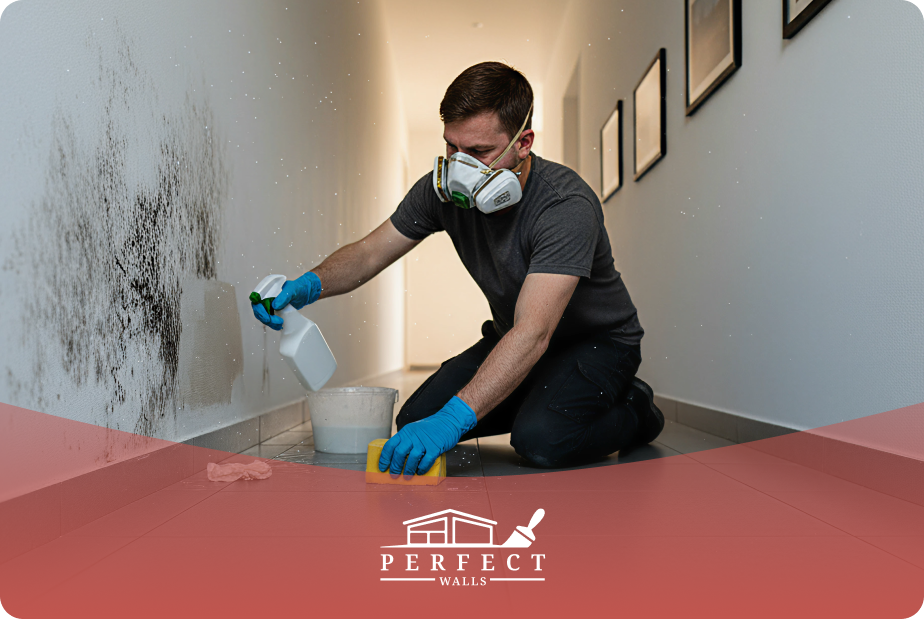
Drywall is a porous building material composed of gypsum and paper facing, making it highly absorbent.
When exposed to moisture from leaks, condensation, or high humidity, drywall can trap dampness inside its layers.
Mold spores, which are always present in the air, take advantage of this environment and begin to grow within 24 to 48 hours.
Because drywall is commonly used in homes and businesses, it is one of the first places where mold problems typically appear. Bathrooms, basements, kitchens, and laundry rooms are especially vulnerable since they are frequently exposed to moisture.
When black mold on drywall develops in these areas, it can quickly spread and compromise both indoor air quality and structural quality.
Once mold takes hold, it spreads quickly, damaging the appearance of your walls and potentially affecting your indoor air quality.
How Can You Recognize Mold on Drywall?
Mold on drywall may appear in different forms.
It could show up as black spots, green patches, or even white fuzzy growth.
Sometimes the mold hides beneath the paint surface, creating bubbling or discoloration. Along with visual clues, you might also notice a musty odor in the room.
In some cases, people experience allergic reactions like coughing, sneezing, or itchy eyes when mold is present, even if it is not yet visible. That is why it is essential to investigate any suspicious odors or stains promptly.
Once you identify mold, it’s essential to evaluate how widespread it is. Small patches of mold can be cleaned up easily with the proper cleaning and drying methods.
However, larger or deeply entrenched mold issues might need the help of professionals. Finding and fixing the source of moisture, like leaks or poor ventilation, is key to stopping mold from coming back.
Homeowners may also need drywall repair services in Chicago to replace damaged sections and make sure the area is fully restored and mold-free.
Regular inspections and keeping humidity low can go a long way in maintaining a safe and healthy indoor space.
How to Remove Mold from Drywall Safely?
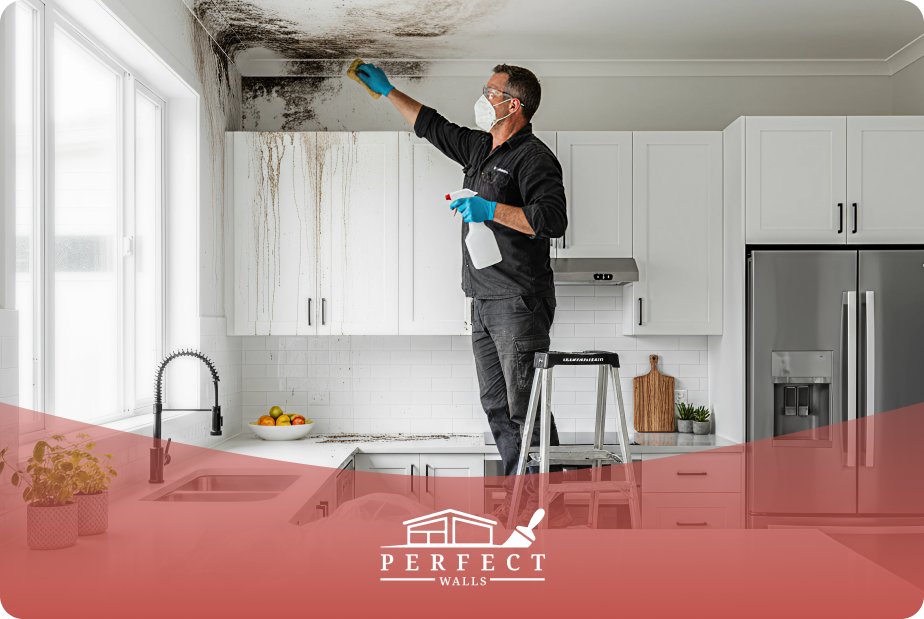
This is one of the most critical questions homeowners ask, and it is the keyword many people search for.
Learning how to remove mold from drywall safely involves careful preparation and the right materials.
Here are the essential steps:
- Protect Yourself and the Area: Wear gloves, safety goggles, and an N95 mask to prevent inhaling mold spores. Close off the affected space by sealing doorways and vents with plastic sheeting so the spores do not spread to other rooms.
- Assess the Damage: If the annoyance area is larger than 10 square feet or if the drywall feels soft and crumbly, the best option is to replace the damaged section. For smaller areas, surface cleaning can work.
- Mix a Cleaning Solution: A blend of water and mild detergent works for light surface mold. For more stubborn growth, you can use diluted vinegar or a commercial antimicrobial cleaner designed for drywall.
- Clean Carefully: Gently scrub the moldy area with a sponge or soft brush. Avoid oversaturating the drywall, as excessive moisture can exacerbate the problem.
- Dry Thoroughly: After cleaning, dry the wall completely using fans and ventilation. Moisture is the main reason mold returns, so drying is just as important as cleaning.
- Seal and Repaint if Necessary: Once the drywall is dry, apply a mold-resistant primer before repainting. This will help prevent mold from coming back and restore the look of your wall.
When mold keeps returning despite cleaning, consider removing and replacing the affected drywall.
Make sure proper Chicago drywall installation and sealing to prevent moisture seepage. Handling ongoing moisture issues by improving ventilation, using a dehumidifier, and fixing leaks is crucial.
Identifying and fixing the source of moisture is key to preventing mold recurrence and structural damage, keeping your home safe and healthy.
Regular maintenance helps prevent mold recurrence and structural damage, keeping your home safe and healthy.
What Should You Avoid When Removing Mold?
Many people make mistakes that worsen the mold problem instead of improving it.
Avoid these common pitfalls:
- Painting over mold without removing it first. The mold will continue to grow beneath the paint.
- Using bleach on drywall. Bleach adds too much water and can damage the surface without reaching deep spores.
- Using baking powder on mold is ineffective at killing fungi and may even feed the growth due to its starch content.
- Skipping protective gear. Mold spores can irritate your lungs and skin.
Instead, opt for commercial mold removers specifically formulated for porous surfaces like drywall, or use a mixture of vinegar and water.
Always guarantee proper ventilation during the cleaning process to reduce airborne mold spores. After cleaning, monitor the area regularly for signs of mold recurrence, especially in high-humidity environments.
Signs of recurrence include the reappearance of mold spots, a musty odor, or allergic reactions in occupants.
If mold persists despite cleaning efforts, consulting a professional mold remediation service is highly recommended to ensure complete removal and prevent health risks.
For smaller, contained patches, learning how to remove mold from drywall involves scrubbing with a detergent solution and ensuring the area is completely dried to prevent regrowth.
When Should You Call a Professional?
While small mold patches can often be handled with DIY methods, larger or recurring infestations need expert attention.
If mold covers a wide area, has penetrated deep into the drywall, or keeps coming back even after cleaning, it is time to call a professional service like Perfect Walls.
We have the proper equipment, protective gear, and remediation solutions to eliminate mold safely and permanently. Plus, we can identify the root cause, whether it is a hidden leak, poor ventilation, or structural issues.
Professional mold remediation specialists carefully evaluate the extent of damage to make sure all affected materials are appropriately taken out and replaced. They use advanced techniques like HEPA vacuuming and air filtration to cut down airborne spores and prevent cross-contamination.
Bringing in experts not only ensures a thorough mold removal but also gives you peace of mind, knowing that the underlying moisture issues are being addressed to prevent mold from returning.
It’s essential to prioritize safety and health by consulting professionals when dealing with significant or stubborn mold problems.
What Services Does Perfect Walls Offer to Help?
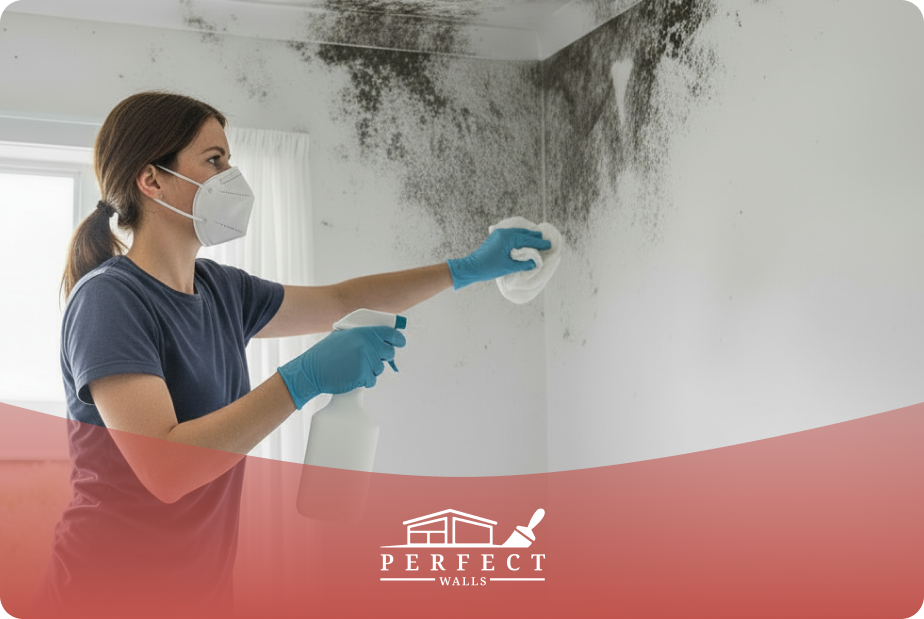
We offer comprehensive solutions that go beyond mold remediation; we specialize in wall restoration, preventative treatments, and expert house painting and design services.
Our team removes mold and repairs or replaces damaged drywall, applies protective coatings, and makes sure your indoor environment remains safe, healthy, and visually appealing. As skilled interior house painters and exterior house painters, we bring precision and aesthetic value to every project, using mold-resistant primers and finishes that enhance durability and style.
Our services include:
- Drywall repair and replacement
- Professional mold removal
- Water damage restoration
- Interior and exterior painting with mold-resistant coatings
- Preventive consultations to stop future mold growth
We also provide detailed assessments to detect hidden moisture sources and offer expert guidance on maintaining indoor air quality. Regular inspections, humidity control, and proper ventilation are essential to keeping your property mold-free.
By partnering with us, you gain immediate results and long-term protection. This makes sure your home stays healthy and looks that way inside and out.
How Can You Prevent Mold from Coming Back?
Prevention is key when it comes to mold. After learning how to remove mold from drywall, you want to make sure it does not return. Here are the best prevention tips:
- Fix leaks immediately and keep plumbing in good repair.
- Improve ventilation in kitchens, bathrooms, and basements.
- Use dehumidifiers in damp areas of the home.
- Insulate cold surfaces to prevent condensation.
- Regularly inspect walls for early signs of moisture or mold.
Addressing the root causes of moisture is the most effective strategy for preventing mold from coming back. This proactive approach is far more reliable than repeatedly dealing with the problem, even if you know how to get rid of black mold on ceilings.
Maintain indoor humidity between 30% and 50% with dehumidifiers or air conditioning.
Regularly inspect and maintain your home’s ventilation and promptly address water intrusion to prevent future mold growth.
If moisture problems or recurring mold persist, consulting a professional is advised to identify and fix underlying issues.
Why Acting Quickly Matters
Mold on drywall should never be ignored. Left untreated, it spreads, damages your walls, and poses a risk to your health.
Now that you know how to remove mold from drywall and how to prevent it from coming back, you can take control of the situation.
For small areas, safe DIY cleaning may be enough. For larger infestations or stubborn cases, contacting professionals like Perfect Walls is the wise choice.
Quick action will save you time, money, and stress in the long run while keeping your home beautiful and safe.
Reach out to us today to schedule your mold inspection and get started on a healthier, cleaner space.