 (630) 528-1955









Types of Cracks in Walls: What They Mean and How to Fix Them
Cracks in walls are common and often confusing for homeowners.
You might spot a thin line running across your wall and wonder if it’s just a minor imperfection or the sign of a deeper structural issue.
The reality is that cracks are quite normal. Homes move, building materials wear down, and environmental forces act on your home every day. Some wall cracks are purely aesthetic and easy to fix, while others may indicate issues that require greater attention. But how can you tell the difference?
At Perfect Walls, we frequently get questions about how to identify different types of cracks in walls and, just as importantly, when to worry and when not to. This guide walks you through the most common crack patterns, what causes them, and how to decide whether a crack can be repaired by yourself or needs professional attention.
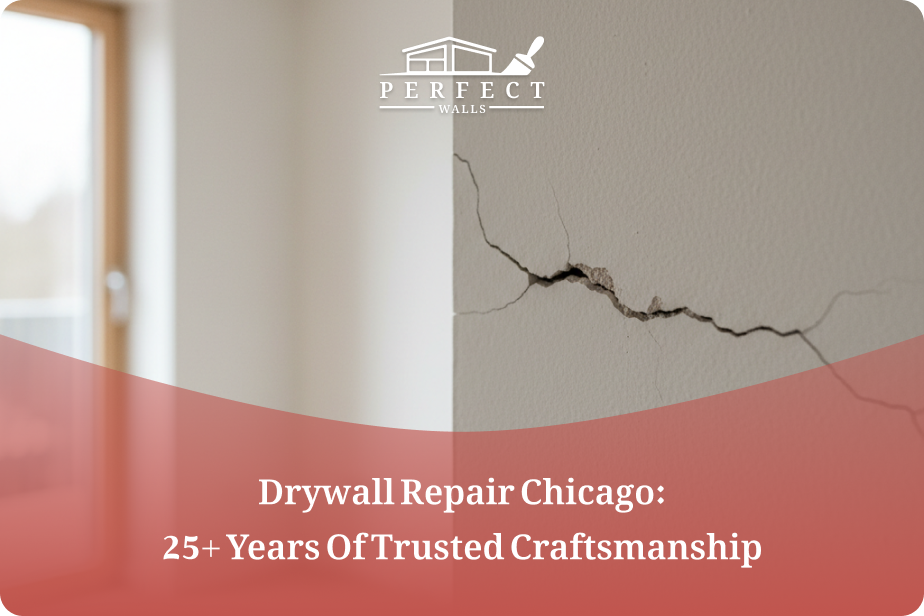
Why Cracks Appear in Walls
Before looking at specific crack patterns, it helps to understand why cracks form in the first place.
Walls are made from different building materials, and none of them is completely rigid or permanent. Drywall, plaster, concrete, brick, and mortar all respond differently to pressure. As building materials settle, small imperfections can appear. Over time, these imperfections often develop into visible cracks.
In many cases, cracks are simply the result of normal aging, and there is no reason to worry about them. In others, they reflect movement happening deeper within the structure that might require professional foundation repair.
Common Causes of Wall Cracks
Walls crack when they’re forced to absorb movement they weren’t designed to handle. That movement might be minor and temporary, or structural and ongoing. Understanding the cause is the first step toward deciding whether a crack is merely cosmetic or something more serious.
1) Foundation Settlement and Structural Movement
As a home settles, its foundation may shift slightly. This movement is one of the most common causes of cracks, especially vertical cracks and diagonal crack patterns. Minor settlement is normal, but uneven movement can indicate a foundational structural issue.
2) Temperature Changes and Thermal Expansion
Repeated temperature differences cause building materials to expand and contract. Over time, these temperature changes can cause drywall, plaster, and masonry to crack, especially near joints and corners.
3) Moisture and Water Damage
Excess moisture weakens building materials, causing mold growth and increasing wall pressure. Poor drainage, leaks, or high humidity can all contribute to cracking, particularly in basements and foundation walls.
4) Aging Material or Poor Construction
Low-quality materials, improper installation, or simply old age can make walls more prone to cracking. Older homes, in particular, often show cracks that reflect decades of wear.
5) Structural Stress and Load Issues
Load-bearing walls support the weight of floors and roofs. If that load shifts or increases, cracks can form as the wall struggles to redistribute the stress.
Types of Cracks in Walls
Cracks come in different shapes, directions, and locations, and they can tell us a lot about what’s going on and how serious the problem might be.
Here are the most common types of cracks in walls and what they usually mean for your home.
Hairline Cracks
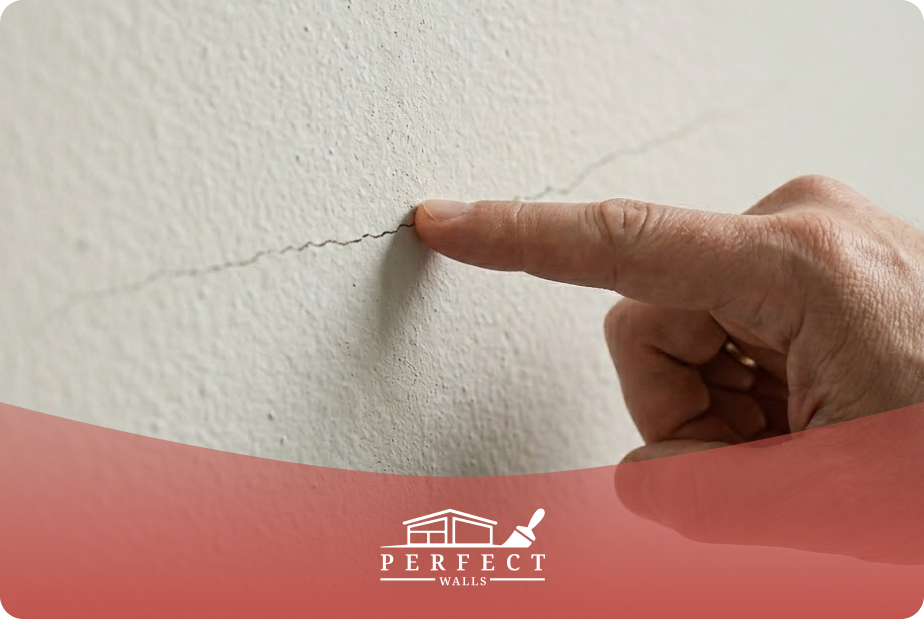
If the crack looks more like a fine line than a break and you can’t feel depth when you run your finger over it, you’re likely dealing with hairline crack patterns.
These cracks usually appear in drywall or plaster and tend to show up after regular temperature changes or as materials naturally dry and settle. In most cases, hairline cracks aren’t a big deal: they don’t indicate structural problems and are easy to repair.
Vertical Cracks
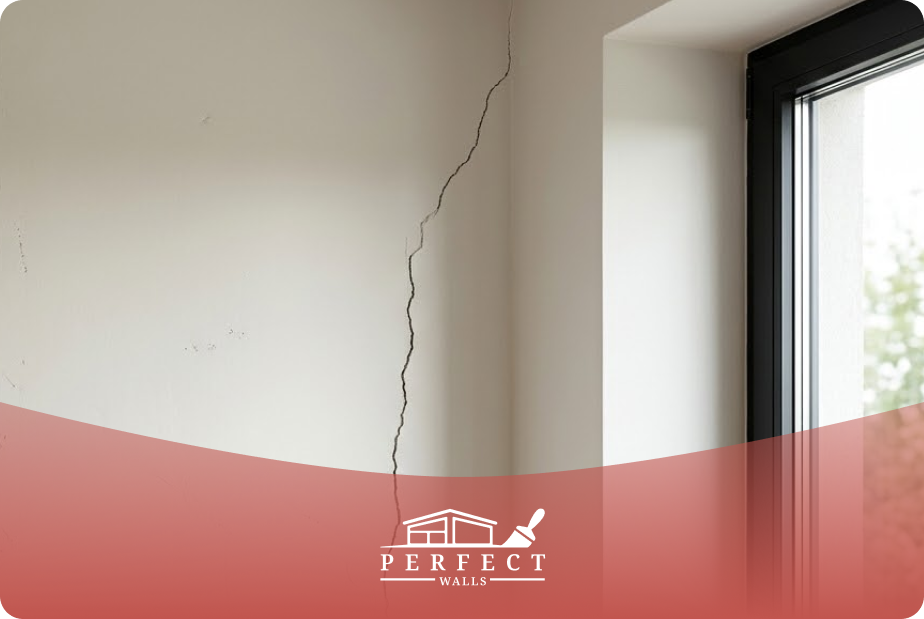
Vertical cracks commonly appear near corners, door frames, or windows. If you’re seeing a straight crack that follows a vertical path, it’s usually a sign of natural settlement rather than an immediate danger.
What matters most here is size and progression. A narrow vertical crack that has remained unchanged for a long time is typically harmless. But if it widens, lengthens, or appears alongside multiple others, it may signal uneven movement below the surface.
Horizontal Cracks
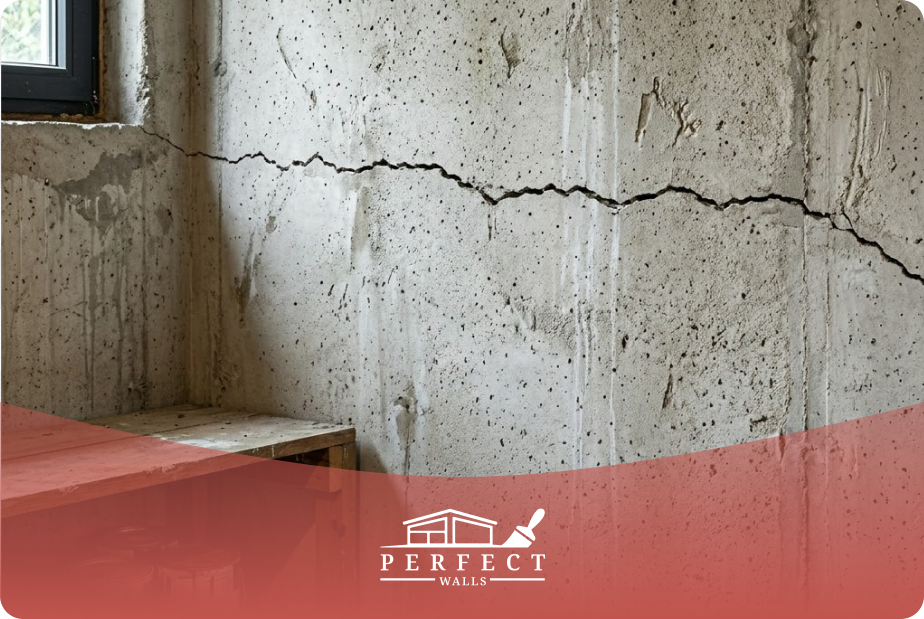
Horizontal cracks deserve closer attention. These cracks tend to appear in basements or foundation walls, often running straight across the surface.
Unlike vertical cracks, horizontal cracks are commonly caused by inward pressure, likely from soil or water outside the wall. If you notice a horizontal crack, especially one that seems to widen or bow outward, it’s a strong indication of a structural issue that may require professional foundation repair.
Diagonal Cracks
Diagonal cracks typically start near doors or windows and spread outward at an angle. Uneven settlement is probably the cause here.
Small diagonal cracks that remain stable may not be serious. However, cracks that continue to grow or appear in multiple areas may indicate foundation movement that requires attention. The angle itself isn’t the issue; the question is whether the crack is active.
Stair-Step Cracks
If your home has brick or masonry walls, you may notice cracks that follow the mortar joints in a step pattern rather than cutting straight through the material.
These cracks usually indicate that the structure is adjusting unevenly beneath the surface. Some movement is normal, but pronounced or expanding stair-step cracks often suggest foundation issues that shouldn’t be overlooked. This is one of those situations where early professional input can prevent normal structural stress from turning into long-term damage.
When Should You Worry About Cracks in Walls?
As a general rule, cracks become more concerning when they change in length or width, rather than simply existing.
You should take cracks seriously if:
- They grow wider or longer over time.
- Multiple cracks appear in the same area.
- Cracks are wider than about 1/4 inch.
- Crack patterns are horizontal or stair-step-shaped.
Beyond the cracks themselves, it’s important to pay attention to whatever else is happening in your home. Cracks that appear alongside sticking doors or windows, uneven floors, or persistent moisture often indicate that movement is affecting more than just the wall surface.
When these factors appear together, professional drywall providers can offer a comprehensive evaluation of your home, giving you a clearer understanding of your options.
How to Fix Wall Cracks Yourself
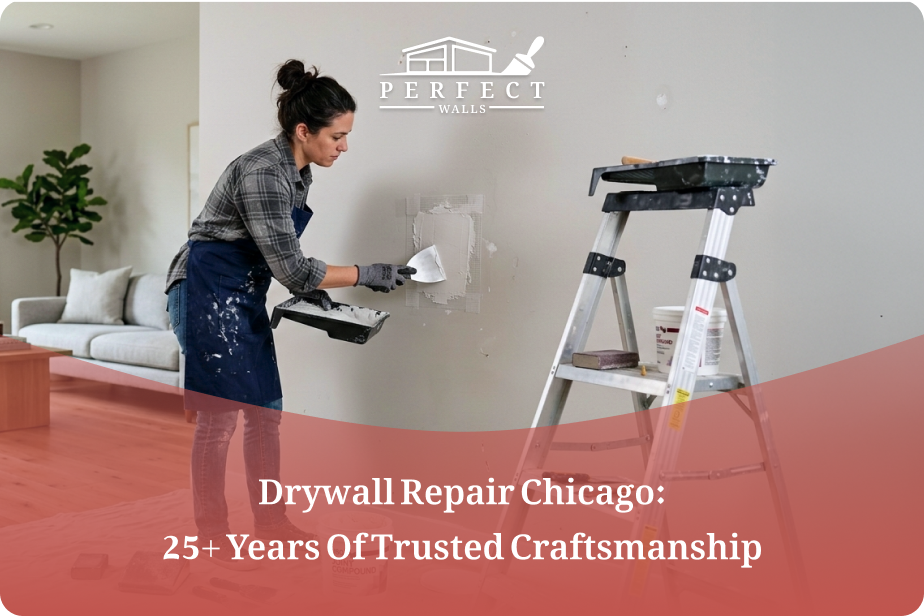
Not all wall cracks require professional intervention. Many cosmetic and mildly non-structural cracks can be repaired successfully, as long as they’re stable and not linked to foundation movement. The key is knowing what crack patterns you’re dealing with and how to properly prepare them.
Repairing Hairline and Surface-Level Cracks
Because these cracks are shallow, the goal is to create a clean, flexible repair that blends into the wall and doesn’t reappear with minor movement.
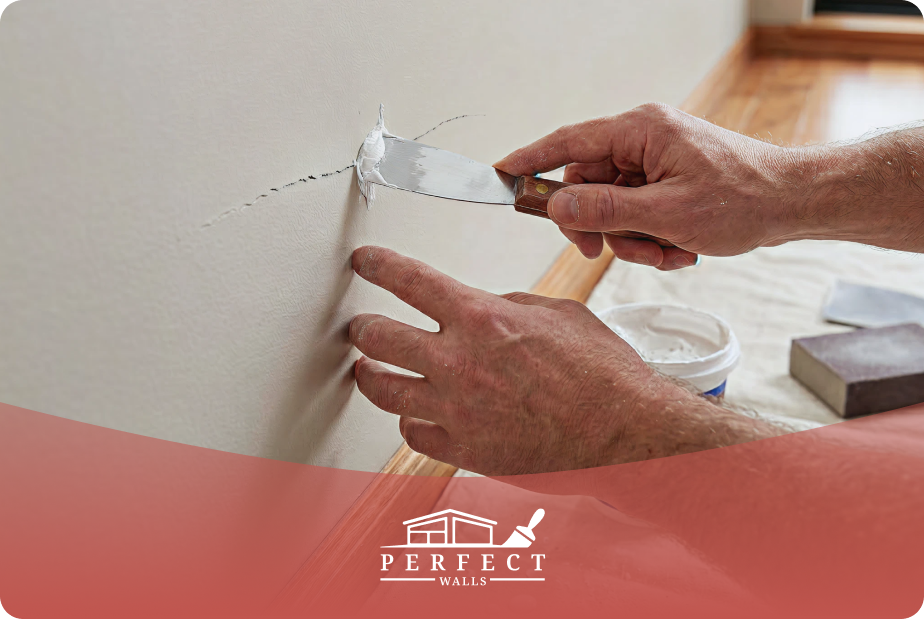
- Clean the crack to remove dust, loose paint, or debris.
- Use a putty knife to gently open the crack slightly so the repair material can bond inside it.
- Apply spackling or joint compound, pressing it into the crack.
- Smooth the surface and let it dry completely.
- Sand lightly to match the surrounding area.
After completing these steps, your wall will be well-prepared for a fresh coat of paint, giving it a smooth finish as if the crack had never existed.
Repairing Small but Deeper Cracks
Some wall cracks go beyond surface imperfections but don’t indicate serious structural issues. This includes narrow vertical cracks that haven’t changed over time. In these cases, it’s important to focus on durability as much as appearance.
- Clean the crack thoroughly and remove any loose material.
- Slightly widen the crack so that the repair material can penetrate.
- Apply a flexible patching compound or elastomeric filler designed to accommodate minor movement.
- Build the repair in thin layers, letting each layer dry before adding the next.
- Smooth the surface, sand slightly once dry, and repaint.
If this type of crack reappears or continues to grow, it’s probably trying to tell you that deeper movement is at play and cosmetic fixes alone won’t be enough. If you think that might be happening with your walls, consider consulting a professional service to tackle the underlying issues and ensure cracks don’t return beneath a fresh coat of paint.
How to Prevent Cracks in Walls
While not all cracks can be prevented, good home maintenance can reduce how often they occur and how severe they become.
Proper drainage around your home helps reduce soil pressure and moisture buildup. Keeping gutters and downspouts clear, controlling indoor humidity, and addressing small cracks early all reduce pressure on walls and foundations. Regular inspections allow you to catch new cracks before they become larger problems.
Why Foundation Repair Is Not as Extreme as It Sounds
Understanding the types of cracks in walls helps you respond appropriately without unnecessary alarm.
Foundation repair doesn’t mean you have to tear down your home. In most cases, the process focuses on stabilizing the structure and preventing further movement, rather than replacing walls or foundations. Depending on the cause of the cracks, this may involve reinforcing weak areas, redistributing structural loads, or correcting soil and moisture conditions that are placing pressure on the foundation.
At Perfect Walls, we assess wall cracks based on their pattern, location, and behavior to determine why they formed in the first place. We rely on modern techniques designed to ensure that repairs are effective and that new cracks don’t keep appearing. Once the structure is stabilized, fixing surface-level cracks becomes easier and longer-lasting.
Cracks are one way a building shows stress. Learning how to read them and knowing when expert assistance is appropriate helps you protect the long-term stability and value of your home.
If you’ve noticed cracks and aren’t sure what they mean, don’t guess. Let our team take a look and give you clear answers. Contact Perfect Walls today to schedule a professional assessment.